
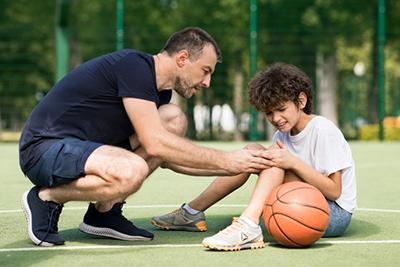
Child sports injuries refer to physical harm in children while participating in sports and recreational activities. They can range from minor bruises to painful conditions, affecting muscles, bones, and joints. Common causes of these injuries include accidents during play, improper techniques, and overexertion. For example, your child may sprain an ankle while playing soccer, strain a muscle during gymnastics, or even suffer a concussion in a contact sport like football.
Symptoms of child sports injuries vary, but they typically include pain, swelling, limited range of motion, and sometimes bruising. You might notice your child limping or favoring an injured limb, complaining of discomfort, or displaying signs of distress. It's crucial to consult a pediatrician when your child experiences a sports-related injury. The doctor can assess the severity of the injury, provide appropriate treatment or referrals, and offer guidance for recovery.
Early intervention is vital to prevent long-term complications and ensure a safe return to sports. If your child fractures a bone, prompt medical attention can help prevent misalignment during healing. So, whether it's a minor twist or a more risky injury, don't hesitate to seek professional medical advice when your child gets hurt during sports activities.
Sports Injuries in Kids: Prevention and Treatment
Sports injuries in kids can be a concerning issue. We encourage you to understand how to prevent and treat these injuries to keep your child safe and active. Prevention starts with proper equipment. Ensure your child wears helmets, pads, and appropriate footwear for their sport, reducing the risk of head injuries, fractures, and sprains. Always make sure the playing surface is safe and well-maintained.
Warm-up exercises are essential. Teach your child to stretch and warm up before any physical activity. These help prevent muscle strains and tears. Proper technique is also crucial.
For instance, teach them to tackle or land safely to avoid dislocations and fractures. In the event of an injury, remember RICE: Rest, Ice, Compression, and Elevation. If your child suffers a minor injury, like a sprained ankle, encourage rest and ice it to reduce swelling. Compression with a bandage and elevation of the affected limb can also aid recovery.
For more severe injuries, consult a medical professional immediately. A broken bone, concussion, or torn ligament may require surgery or specialized treatment. Prioritizing prevention and proper treatment can ensure your child enjoys sports while minimizing the risks of injuries to keep them happy, healthy, and active.
How Our Pediatrician Can Help
A pediatrician plays a crucial role in managing child sports injuries. They possess expertise in diagnosing and treating various sports-related issues, ensuring the child's safety and well-being. Initially, they assess the injury's severity, order necessary tests like X-rays or MRIs, and create a customized treatment plan.
The healing strategy may include rest, physical therapy, or, in rare cases, surgical intervention. Pediatricians also educate parents and athletes on injury prevention and safe training practices. Their guidance fosters a child's recovery, minimizes long-term consequences, and promotes a healthy return to sports, prioritizing physical and emotional health.