
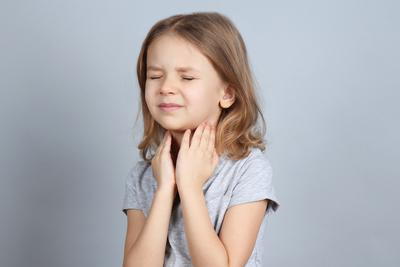
Asthma is one of the most common chronic conditions in children, and while it can be well managed, early recognition is key to preventing serious complications. Understanding the signs and knowing how to respond can help parents ensure their child stays healthy, active, and safe.
Understanding Asthma in Children
Asthma causes inflammation and narrowing of the airways, which complicates breathing for a child. Even though it is possible at any age, the majority of it emerges in early childhood. The symptoms could vary in frequency and intensity, and this is why parents need to identify them even if their child has not been diagnosed.
Common Early Signs of Asthma
Children's asthma symptoms usually come on slowly before they become apparent. Coughing heavily, especially at night or after exercise, is the first symptom. Wheezing or making a whistling sound while some children experience breathing, while others experience shortness of breath, rapid breathing, or a tight feeling in the chest. You may notice that your child tires easily or can't keep up with other children when they play.
These symptoms can at times be mistaken for seasonal allergies, the common cold, or respiratory infections, and thus a medical evaluation is required if they are recurring.
What to Do if You Notice Symptoms
If your child starts showing asthma symptoms, an initial step is to make an appointment with their pediatrician. The physician may prescribe lung function tests or refer you to a specialist for more testing. For kids who already have asthma, it is essential to adhere to their asthma action plan. Your pediatrician will have created the plan for your child's daily medications, exacerbations, and how to seek emergency medical care.
Preventing and Managing Asthma Flare-Ups
While asthma can’t be cured, it can be managed effectively. Identifying and avoiding triggers such as pollen, pet dander, or smoke can make a big difference. Keeping your home clean and dust-free, ensuring prescribed medications are taken consistently, and watching closely for any early changes in breathing are also important steps in prevention.
Partnering with Your Pediatrician
Early intervention is one of the most powerful tools for managing childhood asthma. By recognizing symptoms quickly and working closely with your pediatrician, you can help your child lead an active, healthy life.
If you suspect your child may have asthma or if they have already been diagnosed and need help managing their symptoms, contact your pediatrician to schedule an evaluation. Together, you can develop a plan to keep your child breathing easily.