
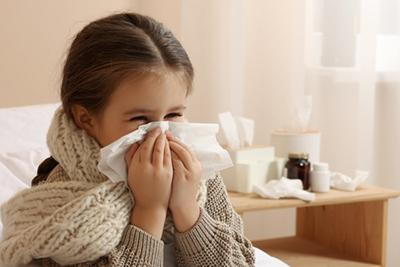
As temperatures drop, cases of colds, flu, and other respiratory illnesses rise—especially among children. Kids spend more time indoors, share toys, and have developing immune systems, all of which make them more vulnerable to seasonal infections. Understanding how to protect your child during this time can help prevent illness and keep the whole family healthier.
Common Winter Illnesses in Children
Among the primary reasons people become sick during the winter months are the cold and flu viruses. The common cold often presents with mild symptoms such as a runny nose, sore throat, and cough. The flu, on the other hand, can cause symptoms like fever, fatigue, and muscle aches. Other respiratory illnesses, including RSV (Respiratory Syncytial Virus), also tend to circulate widely during this time of year.
Preventing Cold and Flu Infections
The best defense against the flu is the annual flu shot. Receiving the flu vaccine each year can help prevent severe illness. Flu vaccines are safe for children six months and older. Along with vaccination, frequent handwashing is one of the simplest ways to prevent infections. Remind your child to wash their hands before eating, after using the restroom, and after coughing or sneezing. Another effective way to avoid germs is by keeping your child’s hands away from their face.
Building a Strong Immune System
Maintaining good overall health is crucial for helping your child fight off seasonal illnesses. A nutritious diet full of fruits, vegetables, and lean proteins strengthens the immune system. Ensuring your child gets enough rest each night also supports recovery and helps maintain strong immunity. Encourage your child to stay active indoors during the winter months to keep their body strong and their energy levels steady.
Managing Symptoms at Home
If your child catches a cold or mild flu, rest and hydration are key. Offer warm fluids like soup or tea, and use a cool-mist humidifier to ease congestion. Over-the-counter medications may relieve discomfort, but always check with your pediatrician before giving any medication to your child. Keep them home from school until fever-free for at least 24 hours to prevent spreading illness.
When to Call the Pediatrician
Most cold and flu cases resolve with time and home care, but some symptoms require medical attention. Contact your pediatrician if your child has a persistent fever above 102°F, difficulty breathing, chest pain, or signs of dehydration. For infants under three months, any fever should be evaluated promptly.
Staying proactive during cold and flu season helps protect your child’s health and the well-being of those around them. By combining good hygiene, proper rest, and timely medical care, families can enjoy a healthier, more comfortable winter.