As a pediatric practice, we believe caring for children also means caring for the communities they grow up in. In that spirit, we stand in support of the National Shutdown on January 30, 2026. While our office will remain open to provide essential healthcare services to our patients and families, we are joining this day of collective action in meaningful ways as a practice. Our commitment is to continue showing up for children’s health while also standing with our community and the values of care, responsibility, and solidarity.

Pathogens have not changed, only "policies".    Berkeley Pediatrics does not anticipate any changes to our vaccine schedule or to the availability of vaccines to our patients. We stand by the American Academy of Pediatrics published vaccine schedule which is also supported by the California Department of Public Health (CDPH) and the West Coast Health Alliance (WCHA).   

One Year Advance Well Visit Scheduling:  Berkeley Pediatrics is now scheduling well visits one year in advance.  Secure your preferred date and time today through MyChart

2025-2026 Influenza vaccines and COVID vaccines are still available:  Please schedule an appointment now through MyChart or contact the office.  It's shaping up to be a pretty bad influenza season so prepare your family!

MEASLES INFORMATION:  As you may have been hearing in the news, there has been a rise in measles cases in some states US as well as internationally.  Fortunately, we are not currently experiencing transmission of measles in our area.  Here is a great site with information about measles and what you can do to provide your child. https://www.healthychildren.or...


Are you signed up on MyChart portal access to your child's records?  Is your teen signed up so they can access their charts?  We are communicating more and more via MyChart so please make sure you sign up ASAP! 

Is your child ill?  Look up your child’s symptoms on the AAP website healthychildren.org symptom checker: 

https://www.healthychildren.or...


Understanding Fevers in Children: When to Worry and When to Wait

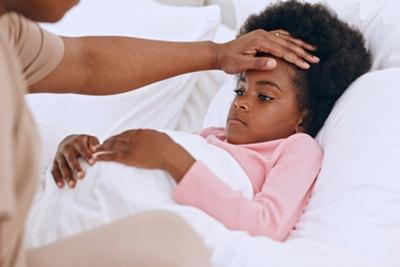
Mother assessing her child's fever by touching the forehead.

Fevers are one of the most common reasons parents call or visit their pediatrician. While it can be alarming to feel your child’s forehead warm up, most fevers are the body’s natural way of fighting infection. Knowing when to monitor at home versus when to seek medical attention helps parents stay calm and respond appropriately.

What a Fever Really Means

A fever happens when the body’s temperature rises above its normal range, usually due to infection. For most children, this means a temperature of 100.4°F (38°C) or higher. Viruses that cause colds or the flu are the most frequent culprits, but fevers can also develop from bacterial infections, teething, or even after vaccinations. The key point to remember is that a fever itself is not an illness—it’s a sign the immune system is doing its job.

When to Monitor at Home

If your child is alert, drinking fluids, and still showing their usual energy between naps, it’s often safe to watch and wait. Over-the-counter fever reducers like acetaminophen or ibuprofen can make them more comfortable, but medication isn’t always necessary. Keeping your child hydrated and lightly dressed helps regulate temperature. Rest and reassurance are just as important as any medicine.

When to Call the Pediatrician

Certain signs mean it’s time to get medical guidance. Contact your pediatrician if your baby is younger than three months and has a temperature of 100.4°F or higher, or if an older child’s fever lasts more than three days. Seek care sooner if your child has breathing trouble, a stiff neck, severe headache, persistent vomiting, or unusual lethargy. These may indicate something more serious that requires evaluation.

Partnering with Your Pediatrician

Every child handles fever differently. Your pediatrician can help you decide when an exam, testing, or additional treatment is needed. They can also guide you through steps for symptom relief and prevention of future infections. Remember, most fevers resolve safely at home—but when in doubt, it’s always best to reach out.

Contact Us

Our Location

Find us on the map