
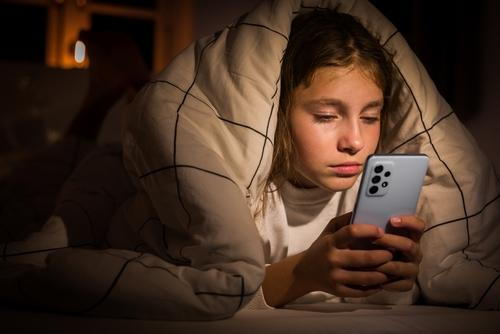
Healthy sleep is one of the most important factors in a child’s growth, learning, and emotional well-being. In today’s digital world, screen time has become a regular part of daily life, from tablets and smartphones to televisions and gaming systems. While technology can support learning and entertainment, excessive or poorly timed screen use can interfere with sleep patterns and influence behavior in ways that may impact a child’s development.
How Screen Time Disrupts Sleep
One of the primary concerns with screen use is its effect on the body’s natural sleep cycle. Electronic devices emit blue light, which can interfere with the production of melatonin, the hormone responsible for regulating sleep. When children use screens in the evening, especially close to bedtime, their bodies may not recognize that it is time to rest. This can make it harder for them to fall asleep and may lead to shorter or lower-quality sleep overall.
In addition to light exposure, engaging content can also stimulate the brain. Whether a child is watching videos, playing games, or interacting with social media, the mental activity can make it difficult to wind down. As a result, children may feel more alert at bedtime, even when they are physically tired.
Behavioral Effects of Excessive Screen Use
Sleep disruption is closely linked to behavior. When children do not get enough rest, they may become more irritable, have difficulty concentrating, and struggle with emotional regulation. This can affect school performance, social interactions, and overall mood. Some children may appear hyperactive or inattentive when they are actually experiencing fatigue.
Excessive screen time during the day can also contribute to behavioral challenges. Long periods of passive viewing may limit opportunities for physical activity, creative play, and face-to-face interaction. These experiences are essential for developing social skills, problem-solving abilities, and emotional resilience.
Finding a Healthy Balance
Creating healthy screen habits can support better sleep and behavior. Establishing a consistent bedtime routine without screens helps signal to the body that it is time to rest. Many pediatric experts recommend turning off devices at least one hour before bedtime. Encouraging activities such as reading, quiet play, or family time can help children relax and prepare for sleep.
Setting clear limits on daily screen time is also important. Balancing technology use with physical activity, outdoor play, and social interaction helps children maintain overall well-being. Keeping screens out of the bedroom can further reduce nighttime disruptions and promote healthier sleep habits.
Supporting Your Child’s Well-Being
Screen time is a part of modern life, but it should be managed thoughtfully to support a child’s development. By creating structured routines and encouraging balanced activities, families can help children get the rest they need and maintain positive behavior throughout the day.
If you have concerns about your child’s sleep patterns or behavior, speaking with a pediatrician can provide guidance tailored to your child’s needs. Early support can make a meaningful difference in helping children grow, learn, and thrive.