
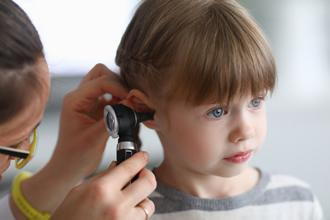
Does an ear infection automatically warrant seeing a pediatrician? Here’s what you should know…
Your child is dealing with an ear infection for the first time and just like when they had their first fever, you’re pretty worried. You’re not sure how to handle it—whether they should see their pediatrician or whether it’s something you can treat at home. We understand that when your child’s sick it feels like everything around you stops. Here’s what parents should know about childhood ear infections.
What causes ear infections?
There is one major culprit that causes ear infections: the common cold. When your child comes down with a cold the fluids can sometimes get stuck in the middle ear, which can irritate the eardrum. Since the immune systems of children under 3 years old are still developing, this often means that they don’t have the antibodies necessary to fight off this infection. This means that it’s inevitable that many young children will deal with an ear infection at some point.
What are the symptoms?
It isn’t always easy to tell whether your child isn’t feeling well or what’s going on, particularly if your child is too young to tell you. Of course, there are some warning signs to be on the lookout for. You may notice that your child is irritable and fussier than usual. They may be upset more easily or cling to you. They may also have trouble sleeping. You may also notice them tugging or pulling at the ear.
On top of these common signs, they may also have a loss of appetite, upset stomach, diarrhea, fever or vomiting. If you notice any of these signs then it’s a good idea to call your pediatrician to see whether you should bring your child into the office.
How are ear infections treated?
How an ear infection is handled will really depend on the severity and cause of the infection, as well as your child’s age. In some instances, children between 6 months and 2 years may be prescribed a round of antibiotics while in other situations your pediatrician may just monitor their condition before deciding whether or not to prescribe medication.
Often, children over the age of 2 may not be prescribed medication right away; your pediatrician may take a “wait and see” approach since some ear infections clear up on their own.
If you are ever concerned about the issues or symptoms your child is experiencing, don’t hesitate to contact your pediatrician for advice on the next steps. This can often provide parents with the peace of mind they need to know they are doing everything for their little one.